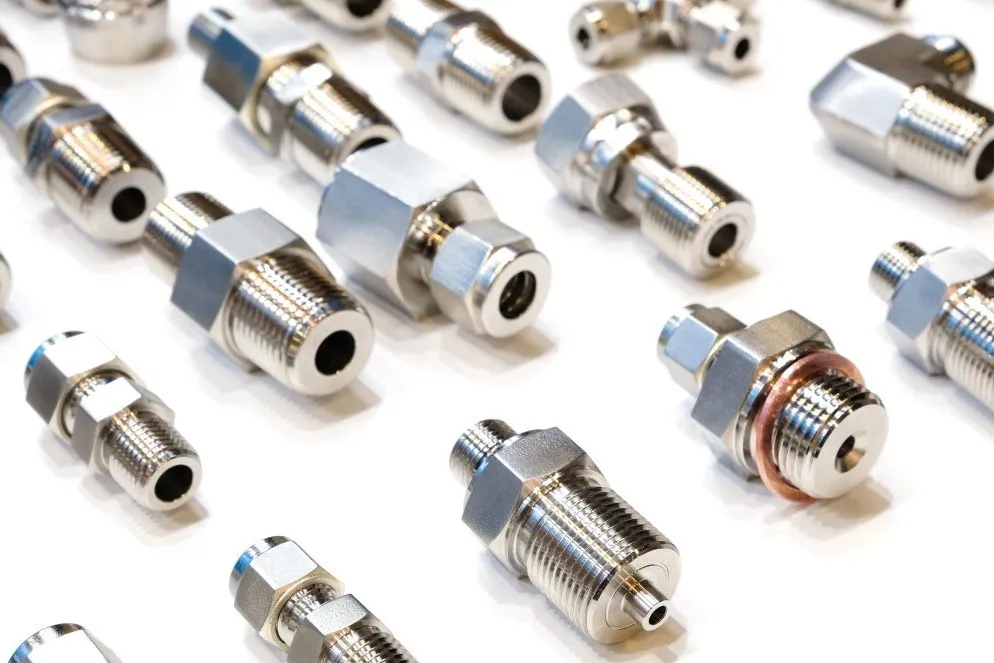
Compressed-air leakage is one of the most common efficiency concerns in pneumatic installations. While leaks can develop at several points in a system, connections deserve particular attention. Correctly selected Air Fittings can help create secure tube connections while making equipment installation and maintenance more practical.
Industrial facilities in Bommasandra, Karnataka frequently operate pneumatic machinery for production, packaging, fabrication and automation. In these environments, fittings may be disconnected and replaced during maintenance, machine modifications or component replacement. Choosing fittings according to the actual application can reduce recurring connection issues.
Start with tube compatibility. Pneumatic tubing is generally specified by its outside diameter, and the fitting must correspond precisely to that dimension. Forcing an incompatible tube into a connector or assuming that two close-looking sizes are interchangeable can compromise sealing.
Thread compatibility is equally important. Pneumatic components may use different thread standards. The diameter alone does not confirm compatibility, so maintenance teams should identify both the size and thread specification before replacement.
Material selection should reflect operating conditions. Depending on the application, fittings may use engineered polymer bodies, metal components or combinations of both. Factors such as pressure, temperature, installation environment and mechanical exposure can influence which construction is appropriate.
Installation practices also affect connection quality. Before inserting pneumatic tubing into a push-in fitting, the tube should have a clean, square cut. A damaged, angled or crushed tube end can interfere with sealing. The tube should be inserted fully rather than stopping as soon as initial resistance is felt.
Good system design also avoids unnecessary strain on fittings. Tubing should not be pulled tightly sideways immediately after the connection. Where a pipe route needs to change direction, an appropriate elbow or swivel configuration may produce a cleaner installation than sharply bending the tube.
For maintenance teams, a simple inspection routine can be useful. Check connections for audible leakage, damaged tubing, loose threaded joints and signs of mechanical stress. Repeated leakage at the same location may indicate an underlying sizing or routing problem rather than a defective fitting alone.
Businesses sourcing components through Hakimi Pneumatic & Hardware can identify the required fitting more effectively by providing tube diameter, thread information, connection type and application details.
For industries around Bommasandra and greater Bangalore, dependable compressed-air distribution contributes directly to reliable machinery operation. Air fittings may be small components, but their selection and installation influence leakage, maintenance accessibility and system efficiency. Getting those details right can prevent a small connection problem from becoming a recurring production concern.
Keywords