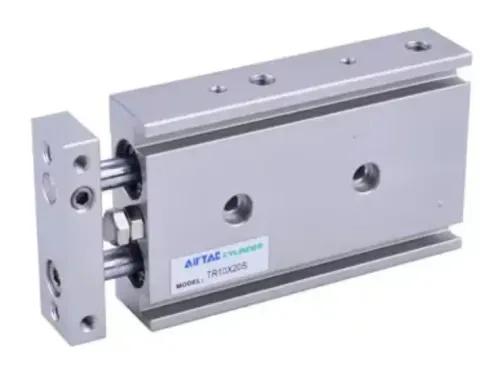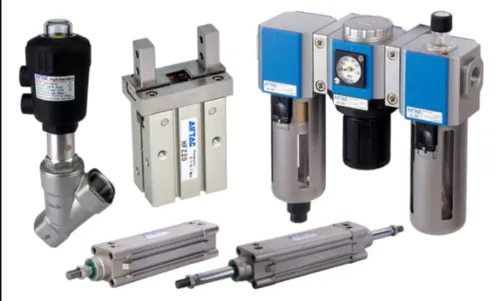
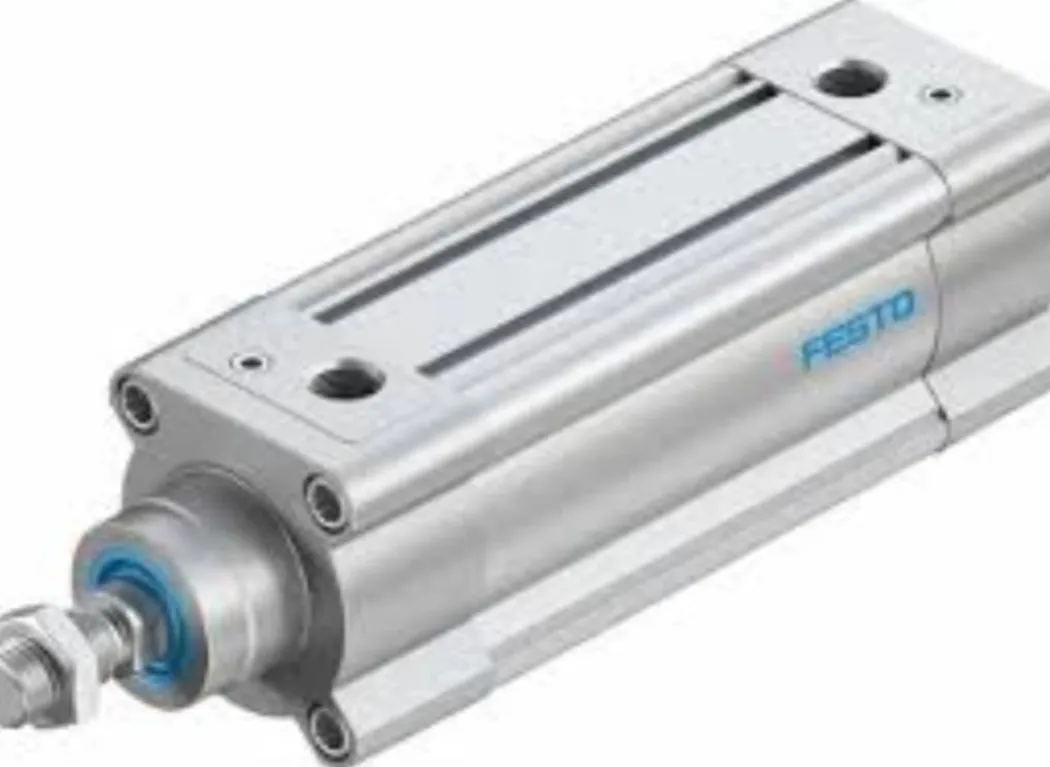
An air cylinder is one of the most recognisable components in a pneumatic system. It uses compressed air to create controlled linear movement, allowing machinery to push, pull, lift, clamp, position, or transfer objects.
Air cylinders are widely used because their operating principle is relatively simple, yet they can support a broad range of industrial automation tasks.
How Does an Air Cylinder Work?
The basic operating principle involves compressed air acting against a piston inside a cylinder barrel.
As compressed air enters the cylinder chamber, pressure acts on the piston and produces movement. The piston is connected to a rod, which transfers that movement to the machine mechanism.
By controlling where compressed air enters and exits, the piston can be moved in the required direction.
Single-Acting and Double-Acting Cylinders
Two common cylinder categories are single-acting and double-acting designs.
Single-acting air cylinders use compressed air to move the piston in one direction. A spring or external force generally returns it to its original position.
They can be suitable for applications where powered movement is required primarily in one direction.
Double-acting air cylinders use compressed air on both sides of the piston.
Air pressure extends the cylinder in one direction and retracts it in the other. This provides controlled powered movement during both strokes and is widely used in industrial automation.
Air Cylinder Applications in Whitefield and Bangalore Industries
Manufacturing and technology-driven industrial operations in Whitefield and across Bangalore, Karnataka, use pneumatic actuators in many forms of machinery.
Typical applications include:
- Product pushing
- Component positioning
- Machine clamping
- Lifting mechanisms
- Sorting systems
- Packaging machinery
- Assembly equipment
- Opening and closing mechanisms
- Material transfer
- Automated production equipment
Hakimi Pneumatic & Hardware deals with pneumatic components that support industrial air systems and machine automation requirements.
What Determines Cylinder Force?
Cylinder force is primarily influenced by air pressure and piston area.
Increasing piston diameter generally increases the theoretical force available at the same pressure. However, actual performance can also be influenced by friction, pressure losses, load conditions, mounting arrangements, and system efficiency.
This is why selecting an air cylinder only according to its physical dimensions is not sufficient.
Key Factors When Selecting an Air Cylinder
Several operating details should be established before cylinder selection:
- Required stroke length
- Bore diameter
- Available operating pressure
- Required force
- Load characteristics
- Operating speed
- Mounting arrangement
- Frequency of operation
- Available installation space
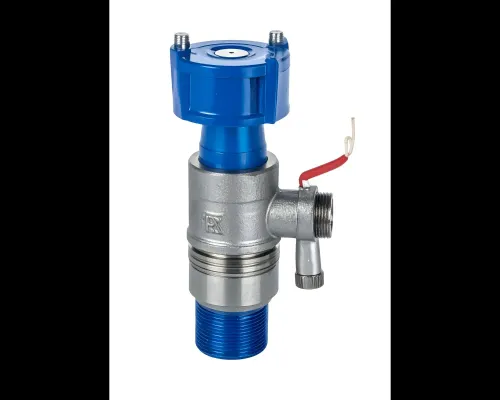
The connected pneumatic valves, fittings, tubing, and flow controls should also provide adequate airflow for the required cylinder performance.
Cylinder Accessories Also Affect Performance
A complete installation may require more than the cylinder itself.
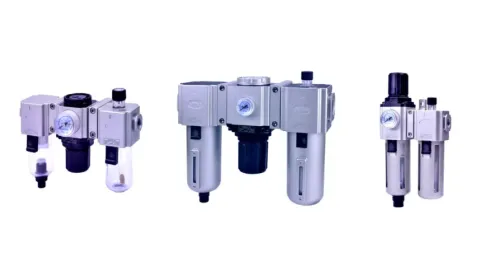
Common pneumatic cylinder accessories include mounting brackets, rod-end components, sensors, speed controllers, fittings, silencers, and flow-control devices.
Correct mounting is particularly important. Excessive side loading or poor alignment can increase wear on seals, rods, and guide components.
For manufacturers using compressed-air automation, understanding how cylinders interact with valves, fittings, tubing, and controls makes it easier to design and maintain dependable pneumatic systems.
Keywords