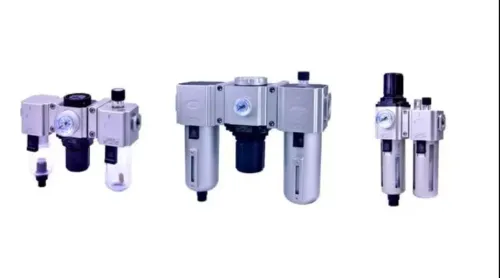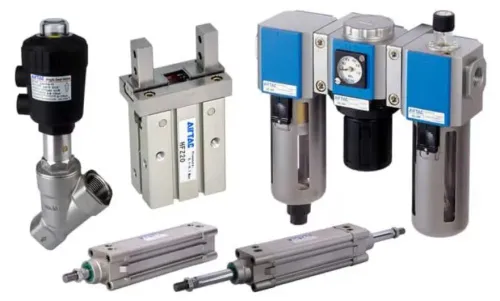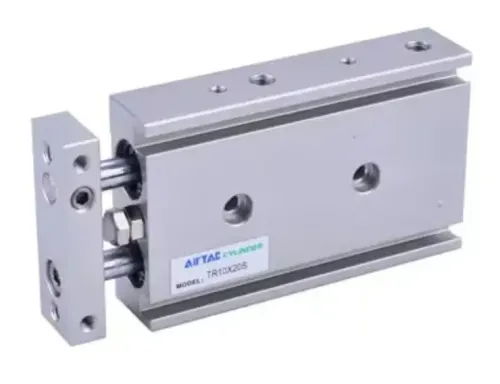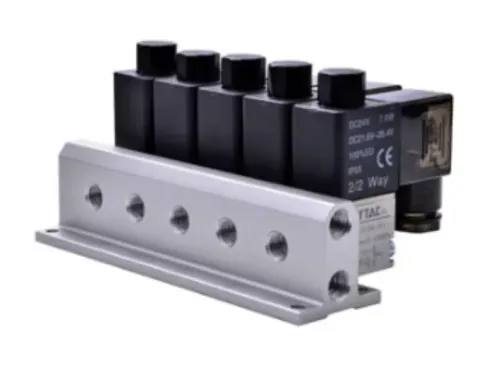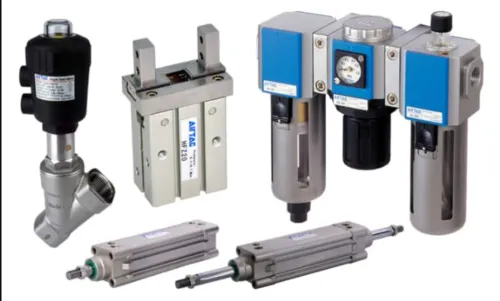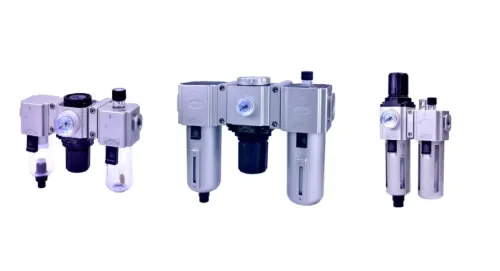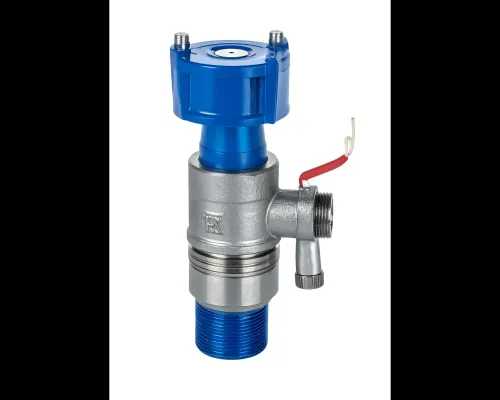
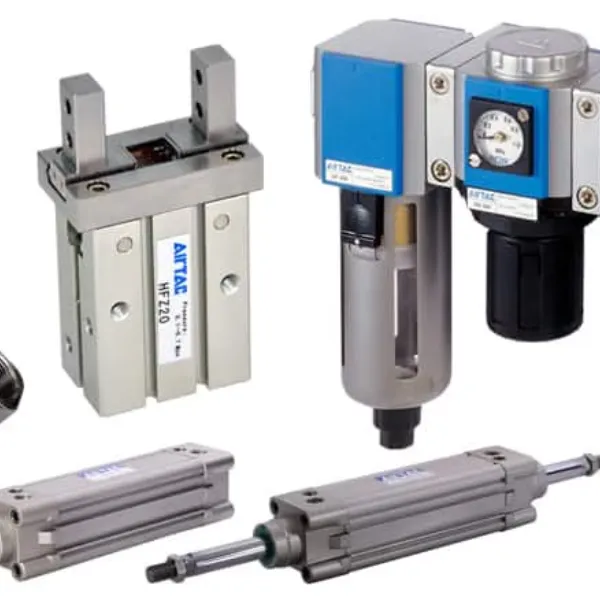
A pneumatic system is only as dependable as the way its individual parts work together. Pneumatic Components can include valves, cylinders, fittings, tubing, flow controls and air-preparation equipment. During maintenance or machine upgrades, replacing one part without considering the rest of the circuit may create unexpected performance issues.
For industrial facilities around Whitefield, Bangalore, pneumatic equipment can range from compact automated assemblies to packaging and material-handling systems. The first step in evaluating components is understanding what the circuit is expected to do.
Suppose an air cylinder is moving slowly. The cylinder may appear to be the obvious component to replace, but the actual restriction could be a small valve, narrow tubing, incorrectly adjusted flow control or insufficient supply pressure. Effective troubleshooting therefore follows the airflow path instead of focusing only on the visible symptom.
Compatibility is equally important during upgrades. Changing a cylinder bore may alter air consumption and flow requirements. Increasing actuator speed may require reviewing the valve and tubing. Introducing electrical automation may require an appropriate solenoid valve and control voltage.
A useful component evaluation should consider four areas.
Function: What does the component need to accomplish in the circuit?
Capacity: Can it handle the required pressure, airflow, force or movement?
Compatibility: Does it match existing tubes, threads, voltages, mounting arrangements and other components?
Environment: Will it operate under the actual temperature, dust, moisture and usage conditions?
Maintenance teams should also distinguish between repeated component failure and repeated system failure. If the same fitting leaks frequently or the same cylinder develops problems repeatedly, the root cause may involve installation, alignment, contamination or operating conditions.
Standardising selected components can make maintenance more manageable. Using consistent tube sizes, fitting standards and commonly required valve configurations across equipment can reduce spare-parts complexity. However, standardisation should never override a machine's genuine technical requirement.
Hakimi Pneumatic & Hardware works with industrial customers requiring pneumatic products in Bangalore. Providing complete application details rather than requesting a component solely by appearance helps a supplier understand the actual requirement more clearly.
Documentation is another practical improvement. Maintenance teams can record model numbers, dimensions, voltage ratings, thread specifications and installation locations for critical parts. When an unexpected breakdown occurs, these records reduce the time spent identifying replacements.
For businesses in Whitefield and across Karnataka's industrial landscape, pneumatic maintenance becomes more efficient when components are treated as parts of an interconnected system. Evaluating function, capacity and compatibility before replacement can reduce unnecessary trial and error while supporting more reliable machinery operation.
Keywords