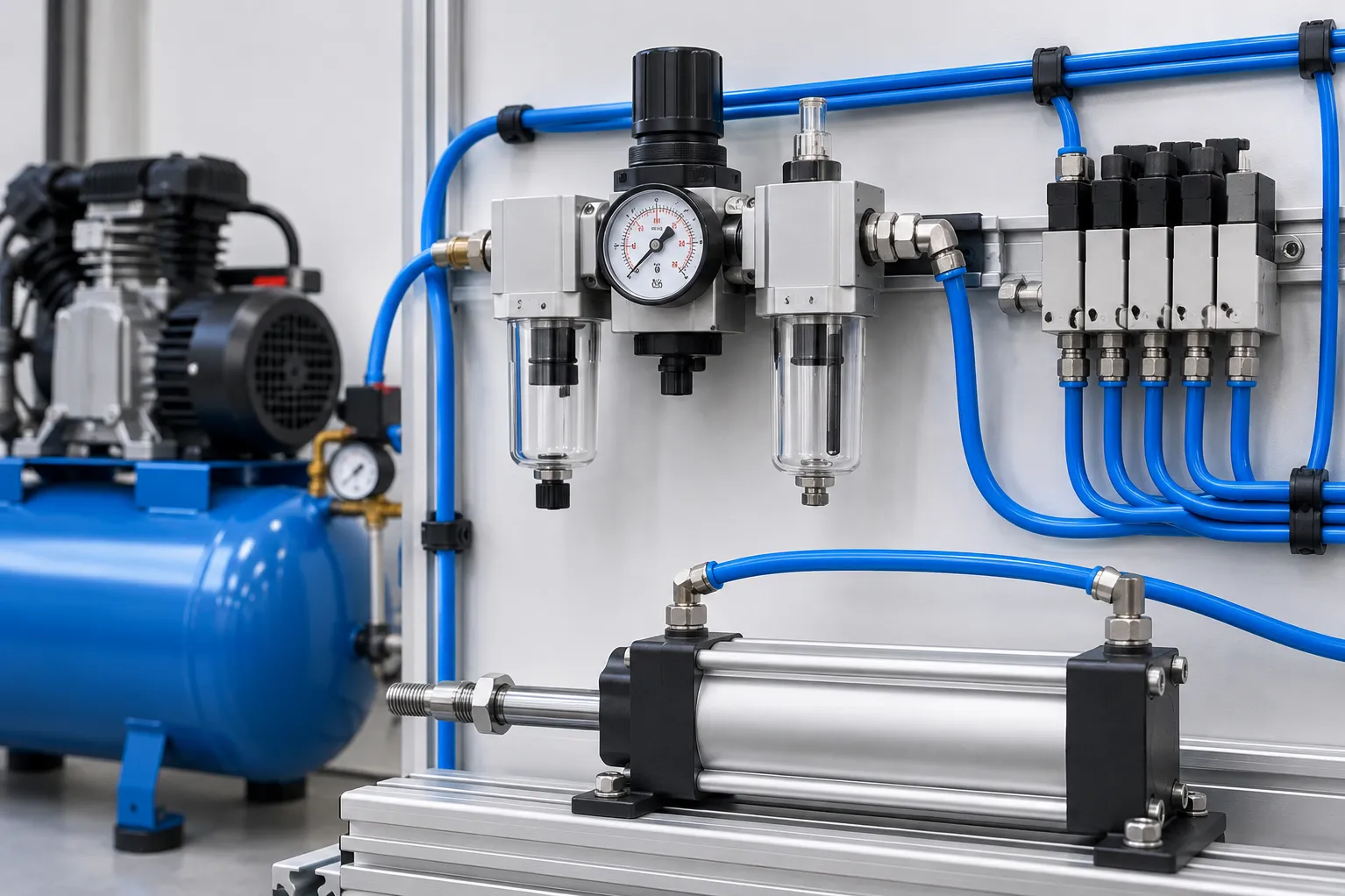
Air leakage is one of the most common sources of avoidable energy loss in compressed-air systems. A small leak may appear insignificant, but multiple leaking fittings, tubes, valves, and connections across a production facility can increase compressor demand and reduce pressure available to machinery.
Reducing leakage is therefore both a maintenance issue and an operating-efficiency opportunity.
Where Do Pneumatic Air Leaks Usually Occur?
Leaks can develop at almost any connection point, but several areas deserve particular attention.
Common sources include:
- Pneumatic fittings
- Air line fittings
- Tube connections
- Damaged pneumatic tubing
- Valve connections
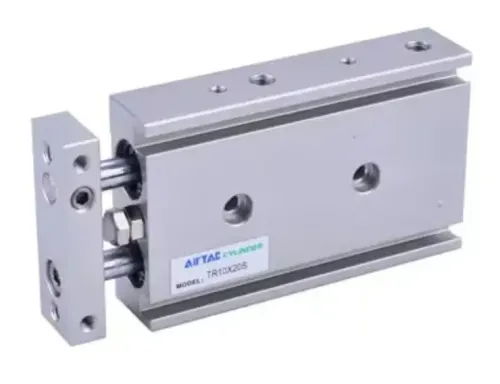
- Cylinder seals
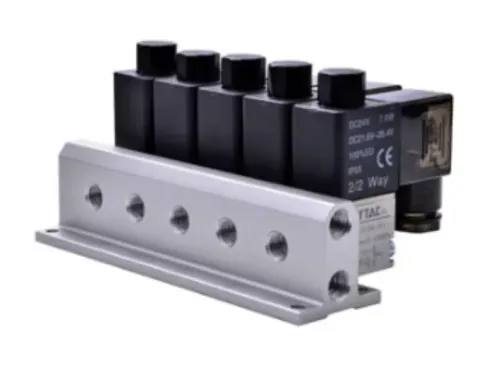
- Manifolds
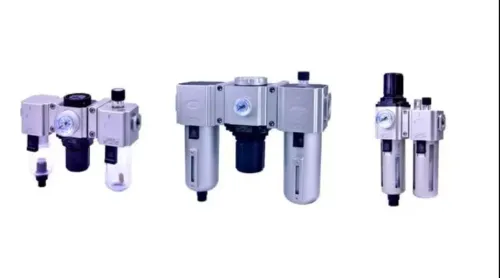
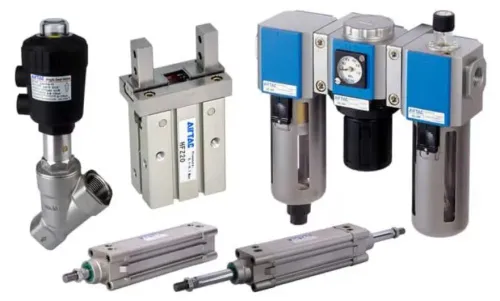
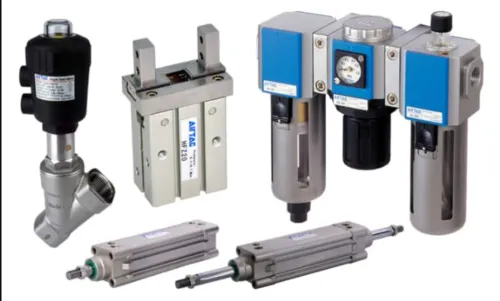
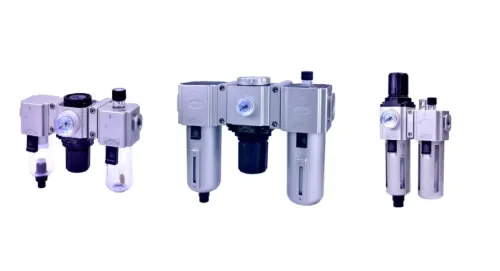
- Regulators and filters
- Quick couplings
- Threaded joints
Repeated machine movement and vibration can also contribute to connection problems over time.
Inspect Pneumatic Components Regularly
A structured inspection routine makes leaks easier to identify before they become larger problems.
Maintenance teams should examine tubing for cuts, abrasion, deformation, and kinks. Fittings should be checked for damaged threads, poor tube insertion, or other visible problems.
Where a leak is detected, simply tightening every connection is not always appropriate. Over-tightening threaded fittings can damage threads or fitting bodies.
The actual cause should be identified first.
Air Leakage Management for Whitefield and Bangalore Industries
Manufacturing operations in Whitefield and other industrial areas of Bangalore, Karnataka, may use compressed air continuously across automation lines, assembly systems, packaging equipment, and production machinery.
When numerous machines operate from a common compressed-air network, accumulated leakage can place additional demand on the compressor.
Hakimi Pneumatic & Hardware works with pneumatic components including fittings, tubing, valves, connectors, and accessories that form important parts of these industrial air systems.
Use the Correct Tubing and Fittings
One of the simplest ways to reduce connection-related leakage is to make sure tube and fitting dimensions match.
For push-in connections:
- Cut tubing squarely.
- Inspect the tube end for damage.
- Push the tube completely into the connector.
- Avoid excessive side loading near the fitting.
- Replace damaged tubing rather than repeatedly reconnecting it.
Pneumatic tubing should also be routed so it is not constantly pulled or twisted.
Review Threaded Connections
Thread compatibility matters.
Using components with incompatible thread standards can result in poor sealing and potential thread damage. The appropriate sealing method should be used according to the connection type and component requirements.
Excessive sealing material should also be avoided because loose material can potentially enter pneumatic passages.
Don't Compensate for Leakage by Increasing Pressure
Increasing compressor pressure to compensate for poor machine performance can hide the real problem.
If pressure loss is being caused by leakage or restricted airflow, increasing the system pressure may raise energy consumption without addressing the underlying issue.
Instead, inspect:
- Leaks
- Tube diameter
- Fitting restrictions
- Filter condition
- Regulator settings
- Valve flow capacity
- Cylinder condition
A well-maintained pneumatic network should deliver the required airflow and pressure without unnecessary losses.
Regular leak inspection, correct component matching, proper tubing installation, and timely replacement of worn pneumatic accessories can contribute to more stable machine performance while reducing avoidable compressed-air consumption.
Keywords