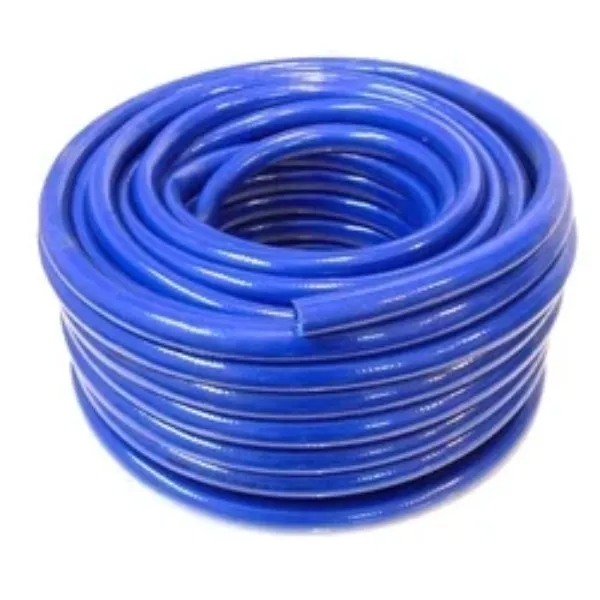
Tubing carries compressed air between pneumatic components, so its flexibility, size and operating suitability directly influence the installation. PU Pipe, commonly referring to polyurethane pneumatic tubing, is widely used in automation and industrial machinery because it combines flexibility with convenient routing around machine structures.
In manufacturing and technology facilities around Whitefield, Bangalore, pneumatic tubing may connect control valves, air cylinders, fittings and other components within compact equipment. Selecting tubing based only on colour or external appearance can create avoidable problems.
Tube size is the first specification to confirm. Pneumatic fittings are typically designed for a particular tube outside diameter. Using the wrong size may cause leakage or make secure insertion impossible. Internal diameter also affects airflow, especially where longer tubing runs or higher actuator speeds are involved.
Pressure is another consideration. The tube must be suitable for the system's intended operating pressure. Temperature can affect tubing performance as well, which becomes important where pneumatic lines run near heat-producing machinery or through changing environmental conditions.
One reason polyurethane tubing is commonly considered for pneumatic installations is its flexibility. It can simplify routing where machine layouts include corners, moving assemblies or limited space. However, flexibility does not mean tubing should be folded sharply. Excessive bending can restrict airflow or eventually damage the line.
During installation, technicians should:
- Cut tubing cleanly and squarely
- Match the tube diameter to the fitting
- Insert the tube completely into push-in connectors
- Avoid routing against sharp metal edges
- Allow suitable bend radius
- Keep lines away from excessive heat where necessary
- Avoid unnecessary tension at connection points
Colour coding can also make pneumatic installations easier to understand. Different tubing colours may be assigned to particular circuits or functions, helping maintenance personnel trace lines during troubleshooting. The colour itself does not determine technical performance, so specifications should always take priority.
Another consideration is replacement consistency. If a plant standardises frequently used tube sizes, maintenance teams can stock practical quantities for emergency repairs. Keeping records of tube dimensions and compatible fittings further reduces uncertainty when replacement is needed.
Hakimi Pneumatic & Hardware supplies pneumatic products for industrial requirements in Bangalore, including customers operating around Whitefield. When sourcing tubing, providing information about diameter, pressure, machine application and connection requirements helps narrow down suitable options.
A pneumatic tube is not simply an air hose. It forms part of the working circuit and must remain compatible with fittings and operating conditions. Selecting PU pipe with the right dimensions and performance characteristics can support cleaner installation, easier maintenance and more consistent airflow throughout industrial pneumatic systems.
Keywords