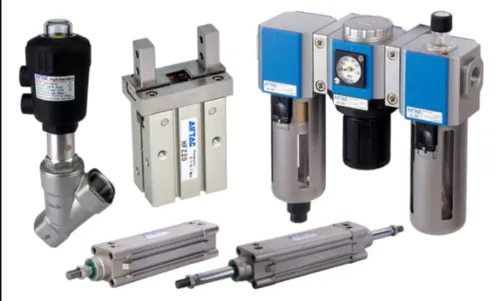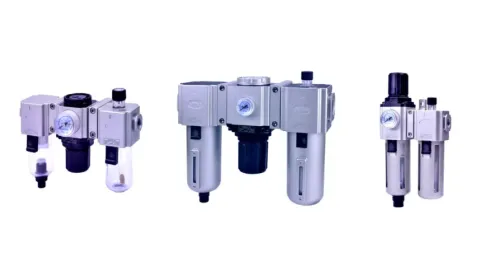
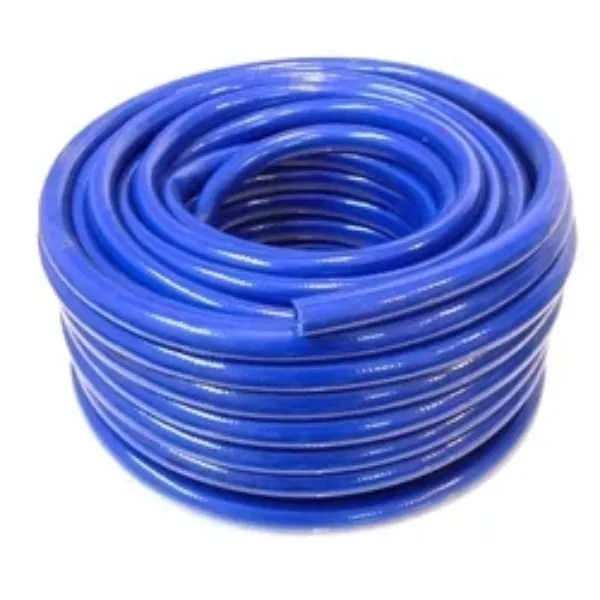
PU pipe, commonly referred to as polyurethane pneumatic tubing, is widely used for carrying compressed air between valves, cylinders, fittings, manifolds, and other pneumatic components.
Its flexibility makes it particularly useful inside industrial machinery where rigid piping would make routing difficult. However, tube diameter, pressure capability, bending requirements, and fitting compatibility all influence performance.
Why Is PU Pipe Used in Pneumatic Equipment?
One of the main advantages of polyurethane tubing is flexibility.
Machine designers frequently need to route air lines through confined spaces, around moving equipment, or between multiple pneumatic components. Flexible tubing makes these layouts easier to manage.
Typical advantages include:
- Good flexibility
- Lightweight construction
- Convenient routing
- Compatibility with many push-in fittings
- Availability in multiple sizes
- Easy replacement during maintenance
- Suitability for many industrial pneumatic applications
These characteristics have made PU tubing common in automated machinery.
Where Is Pneumatic Tubing Commonly Used?
Manufacturing and engineering facilities around Dabaspet and the wider Bangalore industrial region use compressed-air systems for many production processes.
PU pneumatic tubing may be found in:
- Pneumatic automation panels
- Packaging equipment
- Air-cylinder circuits
- Pick-and-place systems
- Assembly machines
- Material-handling equipment
- Pneumatic tools
- Control systems
- Factory automation equipment
Hakimi Pneumatic & Hardware supplies pneumatic products for industrial applications where compatible tubing, connectors, valves, and related components are required.
Choosing the Correct Tube Diameter
Tube diameter directly affects airflow.
A tube that is unnecessarily small may restrict airflow and influence actuator speed. On the other hand, using oversized tubing where it is not required can increase installation space and compressed-air volume.
The appropriate diameter depends on factors such as:
- Required airflow
- Cylinder size
- Tube length
- Operating pressure
- Actuator speed
- Valve flow capacity
- Fitting dimensions
The tubing must also match the pneumatic fitting size precisely.
Watch the Bending Radius
Flexible does not mean that PU tubing can be bent without limits.
Very tight bends can restrict the internal passage or eventually damage the tube. Tubing should be routed with an appropriate bend radius and protected from sharp machine edges.
Where repeated movement occurs, the routing arrangement should also avoid unnecessary pulling, twisting, or rubbing.
Temperature and Working Environment Matter
Before choosing pneumatic tubing, consider where the machine operates.
Temperature, exposure to oils or chemicals, abrasion, vibration, and outdoor conditions can affect tubing suitability.
The manufacturer's specified pressure and temperature ratings should always be considered rather than assuming that every PU pipe performs identically.
Good Installation Practices Reduce Air Leakage
A reliable tube connection begins with a clean cut.
The tubing should be cut squarely rather than diagonally. The end should be free from cracks, scratches, or deformation before being inserted completely into the pneumatic connector.
Tube routes should also be organised so maintenance technicians can identify and replace lines without disturbing unrelated components.
Selecting PU pipe based on actual operating requirements helps create a pneumatic system with dependable airflow, cleaner routing, and easier long-term maintenance.
Keywords