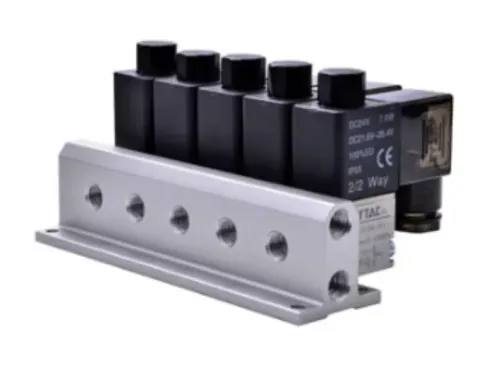
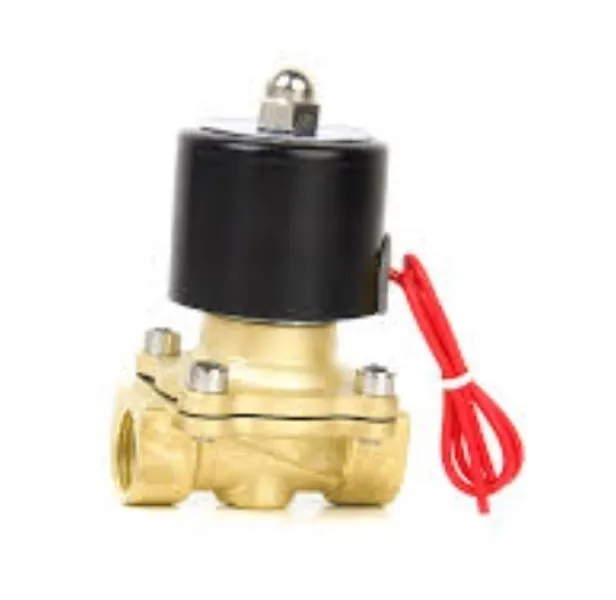
Automation frequently requires compressed air to be controlled through an electrical signal. A Solenoid Valve provides that connection between electrical control and pneumatic operation, allowing equipment such as air cylinders to be activated as part of an automated sequence.
For industrial buyers in Bommasandra, Bangalore, replacement decisions can become difficult because solenoid valves that look similar externally may differ in voltage, port arrangement, flow characteristics and internal operation. A structured specification check is therefore essential.
Begin with the required valve configuration. Pneumatic directional valves can have different numbers of ports and switching positions. The correct arrangement depends on the actuator and circuit design. A valve used with a double-acting cylinder, for example, needs to control airflow differently from a simpler on-off air application.
Electrical voltage must be checked carefully. The coil should correspond to the machine's control supply. Guessing the voltage based on physical appearance can damage components or prevent proper operation. Existing labels, electrical drawings or machine documentation are useful references.
Port size also deserves attention, but larger ports are not automatically better. The required flow depends on cylinder size, speed, tubing and application demand. A correctly sized valve helps provide adequate airflow without unnecessary oversizing.
Before purchasing, verify:
- Valve configuration
- Coil voltage
- AC or DC requirement
- Port and thread size
- Working pressure range
- Required flow capacity
- Normal valve position
- Connector arrangement
- Mounting method
- Environmental conditions
When replacing an existing valve, technicians should identify whether the fault is actually within the valve. Problems elsewhere can create similar symptoms. Low supply pressure, restricted tubing, incorrect electrical signals, coil issues or actuator problems may all prevent a pneumatic system from operating normally.
The condition of compressed air matters too. Contaminants and moisture can affect pneumatic components over time. Proper air preparation and maintenance therefore contribute to reliable valve operation.
Hakimi Pneumatic & Hardware supports industrial customers sourcing pneumatic products in Bangalore and surrounding manufacturing zones such as Bommasandra. Bringing the existing valve's specifications, model information or clear technical details can make replacement identification more efficient.
For new machine designs, valve selection should be considered alongside the cylinder and control architecture rather than as an isolated purchase. Engineers need to account for required actuator speed, available control voltage and the complete airflow path.
Choosing the right solenoid valve comes down to matching pneumatic and electrical requirements simultaneously. Checking configuration, voltage, ports, pressure and flow before purchasing can prevent compatibility problems and help automated equipment respond consistently to control commands.
Keywords