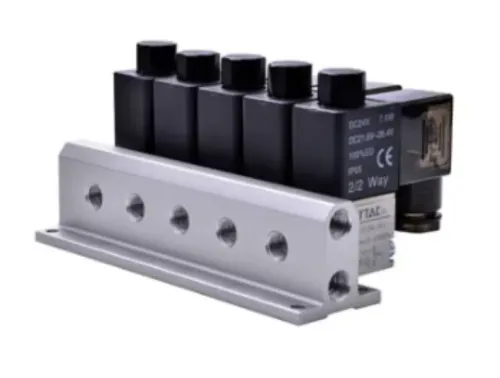
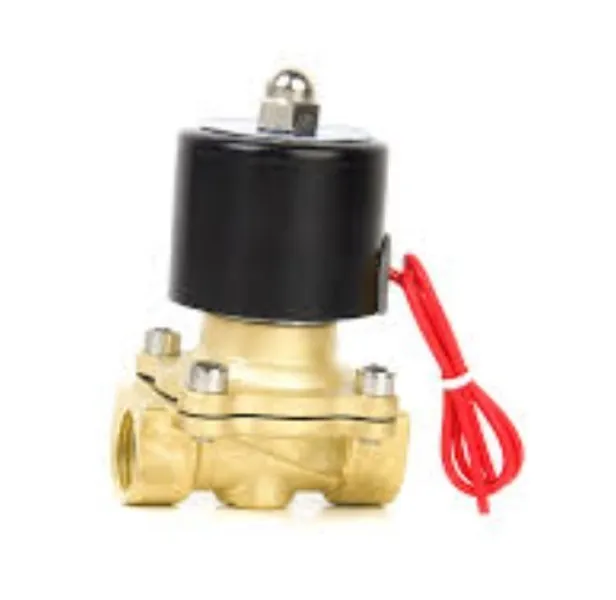
A solenoid valve can stop functioning correctly for several reasons, and replacing the valve immediately is not always the right solution. Electrical supply issues, insufficient air pressure, contamination, incorrect installation, damaged tubing, or blocked exhaust paths can produce symptoms that look like valve failure.
A systematic inspection can help maintenance teams identify the actual cause before changing pneumatic components unnecessarily.
Start With the Electrical Supply
A solenoid valve uses an electrical signal to shift the internal valve mechanism. If the coil does not receive the correct electrical supply, pneumatic operation may not occur.
Check:
- Supply voltage
- Wiring connections
- Connectors
- Control signals
- Coil condition
- PLC or relay output where applicable
The voltage supplied should correspond with the valve coil specification. Using an incorrect voltage can result in unreliable operation or damage.
Check Whether Compressed Air Is Reaching the Valve
A functioning solenoid cannot operate a pneumatic actuator properly if adequate compressed air is unavailable.
Verify the incoming air supply and inspect upstream components such as filters, regulators, shut-off valves, and air lines.
Pressure should be checked while the equipment is operating because pressure may appear adequate when the machine is idle but drop under load.
Inspect the Air Connections in Bommasandra Industrial Systems
Manufacturing facilities in Bommasandra and across Bangalore often use interconnected pneumatic circuits containing multiple valves, cylinders, fittings, and tubing lines.
A loose fitting or damaged pneumatic tube elsewhere in the circuit can affect valve-controlled equipment.
Look for:
- Air leakage
- Loose air fittings
- Kinked PU pipe
- Incorrect port connections
- Damaged tubing
- Restricted airflow
- Blocked exhaust ports
Hakimi Pneumatic & Hardware supports industrial requirements for solenoid valves and associated pneumatic components used in compressed-air systems.
Contamination Can Affect Valve Movement
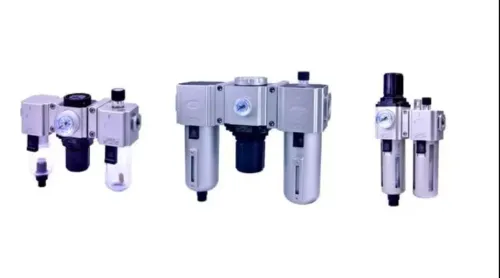
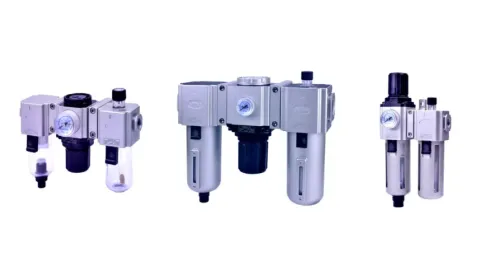
Compressed air should be appropriately prepared before entering sensitive pneumatic components.
Moisture, dirt, rust particles, or other contaminants can interfere with internal valve movement. Over time, contamination may contribute to sticking or inconsistent switching.
Checking the condition of the air preparation system can therefore be just as important as inspecting the valve itself.
Is the Valve Correctly Sized?
Sometimes a valve works electrically and mechanically but the connected air cylinder still moves too slowly.
In this situation, insufficient flow capacity may be responsible.
A valve should be selected according to factors such as:
- Port size
- Flow requirement
- Cylinder bore
- Cylinder speed
- Operating pressure
- Switching requirement
Small tubing or restrictive fittings can also limit airflow even when the valve itself has adequate capacity.
Check the Exhaust Side
Pneumatic valves need to release air from the actuator as part of normal operation.
A blocked exhaust port or unsuitable silencer can restrict outgoing airflow and affect cylinder movement. Exhaust components should therefore be included in troubleshooting.
A structured approach—electrical supply first, followed by air pressure, connections, contamination, flow capacity, and exhaust—can help maintenance teams identify the problem efficiently.
This avoids unnecessary component replacement and helps restore reliable pneumatic operation with less machine downtime.
Keywords