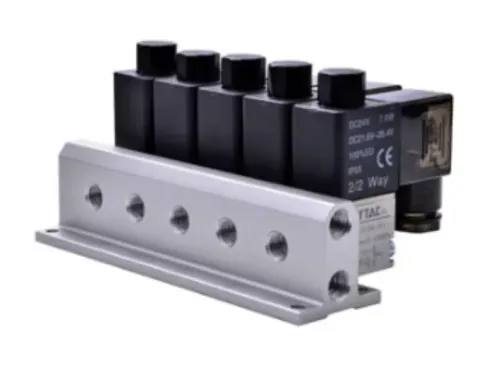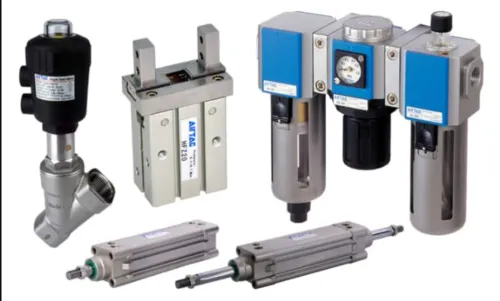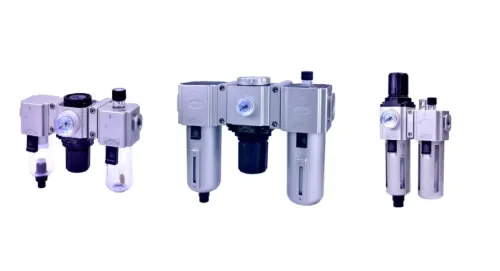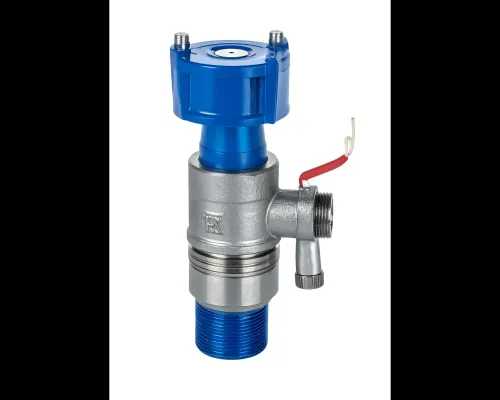
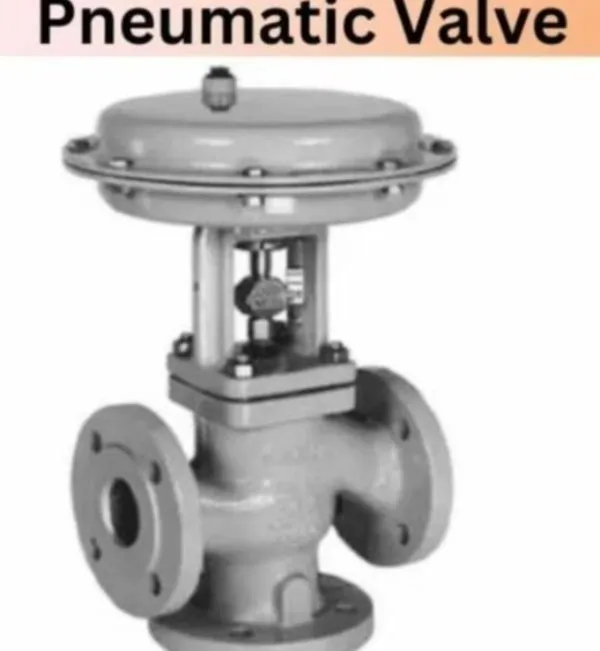
A Pneumatic Valve controls how compressed air enters, leaves or changes direction within a pneumatic circuit. Because the valve influences actuator movement and airflow, selecting one without understanding the machine requirement can lead to slow operation, incorrect sequencing or unnecessary pressure losses.
Manufacturing facilities in Peenya, Bangalore use pneumatic systems in applications ranging from clamping and pressing to packaging, assembly and automated material movement. Although two machines may use similar air cylinders, their valve requirements can be very different.
The first consideration is valve function. Directional control valves determine where compressed air flows and are commonly used for controlling cylinders. Flow-control valves regulate airflow and can help adjust actuator speed. Pressure-control components serve another purpose by helping manage the air pressure supplied to parts of the circuit.
Port configuration also matters. A valve designed for a single-acting cylinder will not necessarily meet the requirements of a double-acting cylinder. Understanding the number of ports, positions and required flow path prevents mismatches during installation.
Buyers should also consider:
- Required operating pressure
- Airflow or flow capacity
- Port and thread size
- Manual, mechanical, pneumatic or electrical actuation
- Voltage where solenoid operation is required
- Normal operating position
- Available installation space
- Expected operating frequency
Flow capacity deserves particular attention. A valve that restricts airflow can prevent a correctly sized cylinder from achieving the expected speed. Choosing an unnecessarily oversized valve, meanwhile, may increase installation cost and space requirements without delivering a useful operational advantage.
Environmental conditions should not be ignored. Industrial equipment may operate around dust, heat, moisture or vibration. The suitability of the valve construction and installation method should therefore be considered alongside its basic pneumatic specifications.
Maintenance teams in Peenya can also benefit from maintaining accurate information about installed valves. Recording model specifications, voltage, port size and circuit function makes future replacement significantly easier. Purchasing a visually similar component during a breakdown is risky because internal valve configurations can differ even when external dimensions appear comparable.
Hakimi Pneumatic & Hardware serves industrial requirements for pneumatic products in the Bangalore region, including businesses operating around Peenya. Providing the supplier with clear technical information can make component identification more accurate.
The right pneumatic valve is ultimately the one that matches the circuit rather than simply fitting into the available space. Understanding function, flow, actuation, pressure and connection requirements before purchasing helps industrial users maintain predictable machine operation and avoid preventable replacement problems.
Keywords