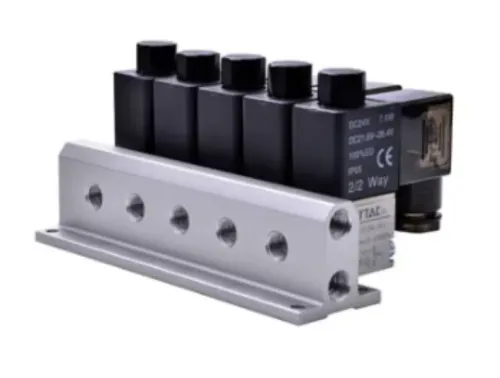
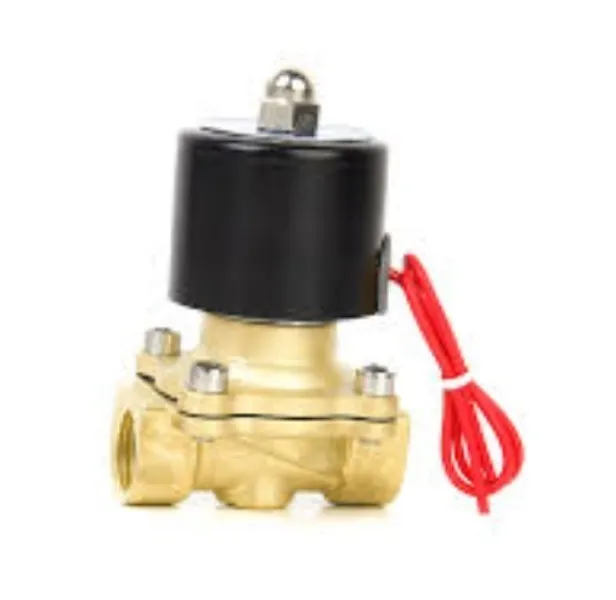
Solenoid valves are designed for repeated operation, but like other pneumatic components, they can eventually wear, become contaminated, or develop electrical and mechanical faults.
The challenge for maintenance teams is knowing whether a malfunctioning valve should be cleaned, repaired, inspected further, or replaced.
For industrial units in Bommasandra and other Bangalore manufacturing areas, recognising the early signs of valve problems can help prevent unexpected machine stoppages.
Repeated Switching Failure Is a Warning Sign
If a solenoid valve sometimes operates and sometimes does not, investigate the issue carefully.
Intermittent switching can be caused by:
- Loose electrical connections
- Incorrect voltage
- Damaged coil
- Low air pressure
- Internal contamination
- Mechanical sticking
A single switching problem does not automatically mean replacement is necessary, but repeated failure after basic checks can indicate that the valve is no longer dependable.
Excessive Air Leakage
Some pneumatic valves naturally exhaust air during operation, but continuous leakage from an unintended location may indicate worn seals or internal damage.
Before replacing the valve, check external fittings and tubing connections to confirm that the leak is actually coming from the valve body.
Persistent internal leakage can reduce actuator performance and increase compressed-air consumption.
Coil Damage or Overheating
The solenoid coil should operate within its specified voltage and duty conditions.
Signs of possible coil damage include:
- Burning smell
- Visible discoloration
- Failure to energise
- Repeated electrical tripping
- Unusual heat
If a coil repeatedly fails, the electrical supply and voltage specification should also be checked before installing a replacement.
Slow or Incomplete Cylinder Movement
A valve that does not shift fully can affect the connected air cylinder.
However, slow cylinder movement may also be caused by:
- Restricted tubing
- Blocked silencers
- Low pressure
- Incorrect flow-control settings
- Cylinder seal problems
- Undersized valve capacity
The entire circuit should therefore be inspected before concluding that the solenoid valve is responsible.
Hakimi Pneumatic & Hardware supplies solenoid valves and associated pneumatic components for industrial applications in Bangalore, including replacement requirements for manufacturing equipment.
Frequent Maintenance Can Indicate Replacement Readiness
If the same valve requires repeated attention, replacement may become more practical than continued troubleshooting.
This is especially true where the valve controls a critical machine function and repeated failure creates production delays.
Maintenance history can be useful in making this decision.
Match the Replacement Correctly
When replacing a solenoid valve, confirm:
- Valve configuration
- Number of ports and positions
- Port size
- Operating pressure
- Flow capacity
- Coil voltage
- Connection type
- Mounting arrangement
Replacing a failed valve with a physically similar but technically different model can create new problems.
Keep Critical Spares Where Appropriate
Factories using the same solenoid valve across multiple machines may benefit from keeping suitable spares available.
This can reduce downtime during unexpected failures.
A solenoid valve should generally be replaced when electrical or mechanical problems remain after proper troubleshooting, leakage becomes persistent, switching becomes unreliable, or repeated maintenance makes continued use impractical.
Keywords